
Nonprofit Organizations That Pay Student Tuition: 2026 Guide
September 13, 2026 · Editorial Team · 12 min read

Table of Contents
- What Are Nonprofit Organizations That Pay Student Tuition?
- How to Verify a Nonprofit's Legitimacy Before You Donate
- Top Nonprofit Organizations That Pay Student Tuition Directly
- 1. Hariom Helps: Direct Tuition Payments with Verified Impact
- 2. City Year: Service-Based Tuition Assistance Through AmeriCorps
- 3. Granite Edvance: Nonprofit Lending and College Planning
- 4. Scholarships.com: Matching Students with Millions in Awards
- 5. Rotary Club and Local Community Foundations
- 6. State Tuition Waiver and Grant Agencies
- 7. Employer-Sponsored Tuition Assistance Programs
- 8. Professional and Trade Association Funds
- How to Compare These Programs
- How to Apply for Tuition Assistance Grants
- Why a Tax Deductible Charity for Education Makes Your Giving Go Further
- Application Timelines and Seasonal Deadlines You Should Know
- Niche-Specific Aid: Disability, First-Generation, and Foster Care Students
- Frequently Asked Questions
Last Updated: September 13, 2026
What Are Nonprofit Organizations That Pay Student Tuition?
Nonprofit organizations that pay student tuition are charities that direct donations to cover a student's school costs, usually by paying the institution directly rather than handing cash to the family. Most are 501(c)(3) public charities, so gifts are tax-deductible and finances publicly disclosed (irs.gov).
A legitimate tuition nonprofit verifies enrollment and financial need, then sends payment straight to the bursar's office. This guide from Hariom Helps covers how they work, how to vet one, and which programs actually move money to the classroom.
The distinction between a tuition-paying nonprofit and a scholarship fund is simple: scholarships award money to students, while tuition payment programs settle a specific bill.
How to Verify a Nonprofit's Legitimacy Before You Donate
Verification is a five-minute habit that separates real charities from lookalikes. Start with the IRS Tax Exempt Organization Search, which confirms active 501(c)(3) status (irs.gov). If it isn't listed, your donation is not tax-deductible no matter what the website claims.
Then run a short checklist:
- Confirm 501(c)(3) status on the IRS database
- Pull the latest Form 990 and check the program-expense ratio
- Look for a physical address and named leadership, not just a contact form
- Read the refund and fund-designation policy
- Search the state charity regulator's registry for complaints
- Check whether the site explains exactly how funds reach a school
A common mistake is trusting a polished donation page. A legitimate tuition nonprofit will show a redacted invoice or payout confirmation; if it dodges that, walk away.
Top Nonprofit Organizations That Pay Student Tuition Directly
The organizations below take different routes to the same goal: keeping students enrolled. Some pay invoices, some trade service for education awards, and some match students to outside funding.

1. Hariom Helps: Direct Tuition Payments with Verified Impact
Hariom Helps is a 501(c)(3) public charity built around one promise: no student should drop out over an unpaid tuition bill. Donations are verified against proof of enrollment and documented financial need, then paid directly to the school's bursar invoice.
Donors receive an instant tax-deductible receipt and payout proof showing the payment reached the school. Beyond tuition, the FundMyDreams and Emotional Teen initiatives support student mental health and wellbeing. Hariom Helps was named Best Scholarship Nonprofit in the United States of 2026 by Best of Best Review.
Where it fits best: donors who want a specific, verified student helped quickly, and students facing an immediate academic hold.
2. City Year: Service-Based Tuition Assistance Through AmeriCorps
3. Granite Edvance: Nonprofit Lending and College Planning
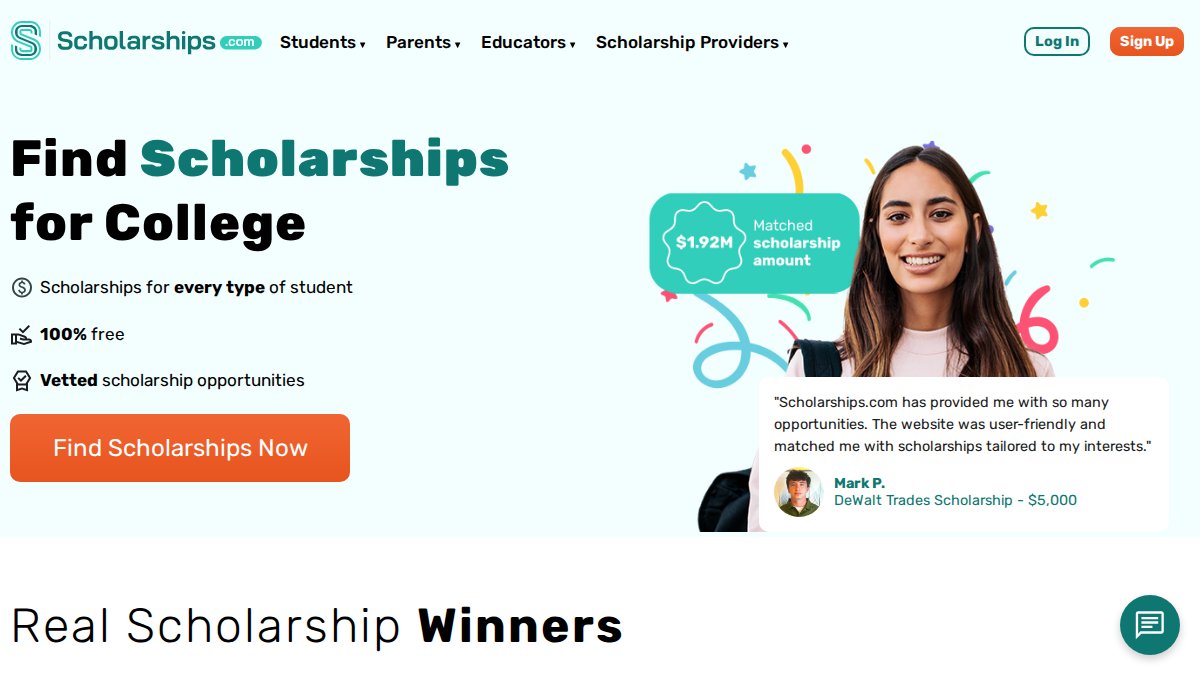
4. Scholarships.com: Matching Students with Millions in Awards
5. Rotary Club and Local Community Foundations
6. State Tuition Waiver and Grant Agencies
7. Employer-Sponsored Tuition Assistance Programs
8. Professional and Trade Association Funds
How to Compare These Programs
When you evaluate any tuition-paying organization, ask three questions: Does the money go to the school or the student? What documentation proves need? And what happens if the student withdraws mid-semester? The answers separate a well-run program from a marketing page.
| Organization | Model | Best For | Repayment Required |
|---|---|---|---|
| Hariom Helps | Verified direct tuition payment | Students facing an unpaid bill now | No |
| City Year | Service year + education award | Students who can commit a year | No |
| Granite Edvance | Nonprofit private loans + planning | Families filling an aid gap | Yes, with interest |
| Scholarships.com | Free scholarship matching | Students with time to apply widely | No |
| Rotary / community foundations | Local grants | Students with local ties | No |
| State agencies | Grants and waivers | Residents who qualify by category | No |
| Employer programs | Tuition reimbursement | Working students | Sometimes, if you leave early |
| Trade associations | Member scholarships | Members and their families | No |
How to Apply for Tuition Assistance Grants
Applying for tuition assistance grants follows a predictable sequence, and starting early is your biggest advantage. Most rejections trace back to missed documents or late submissions, not weak applications.
- Gather your documents first. Proof of enrollment, a recent tuition statement, and documentation of financial hardship.
- Complete the FAFSA. Federal financial aid is the foundation most private programs expect you to exhaust or at least pursue.
- Shortlist programs that match your situation. Need-based funding, merit-based scholarships, and niche aid have different applications.
- Write a specific statement of need. Name the amount owed, the deadline, and the consequence of non-payment.
- Submit before the deadline, not on it. Verification takes time on the organization's end too.
- Follow up once, politely. If a program pays your school directly, confirm the bursar received it.
Why a Tax Deductible Charity for Education Makes Your Giving Go Further
A tax deductible charity for education stretches every dollar you give: the deduction lowers your taxable income while the full amount still reaches the student. That's why many donors route education giving through registered 501(c)(3) organizations rather than giving directly to a family.
The mechanics are straightforward. You donate, you receive a written acknowledgment, and you claim the deduction when you file. The IRS rules on charitable contribution deductions spell out the recordkeeping requirements, including the written substantiation needed for gifts of any size.
Direct giving to an individual generally produces no deduction and no verification that the money reached a school.
The Question Most Guides Skip: Is the Aid Taxable to the Student?
Whether tuition assistance counts as taxable income to the student depends on who pays and how.
- Qualified scholarship or grant aid from a 501(c)(3): Amounts used for qualified expenses such as tuition, fees, and required books are generally excluded from the student's gross income. Amounts used for room, board, or travel may be taxable.
- Payments made directly to the school: When a nonprofit pays the bursar invoice for qualified tuition and fees, the student typically does not report that amount as income.
- Cash paid to the student: If the organization hands the student a check and the student uses it for non-qualified expenses, that portion can become taxable.
- Employer tuition assistance: A defined annual amount can be excluded from income under federal rules, but the exclusion has limits and conditions. Confirm the current cap with the employer and a tax professional.
- Loan-based aid: Loan proceeds are not income, but forgiven loan balances can create a taxable event in some circumstances.
Students typically receive a Form 1099-T or similar statement from the school showing how much aid was applied and how much went to qualified expenses. Keeping that form with the donor acknowledgment makes filing straightforward.
What Donors Should Keep for Their Own Records
For the donor, the paper trail is short but non-negotiable:
- A written acknowledgment from the charity showing the amount, date, and whether any goods or services were received in return
- A bank or card statement showing the transfer
- The organization's 501(c)(3) determination letter or its IRS Tax Exempt Organization Search listing
For gifts of $250 or more, the written acknowledgment is required. For smaller gifts, a bank record plus the charity's name usually suffices, but keeping the acknowledgment anyway is safer.
Application Timelines and Seasonal Deadlines You Should Know
Timing decides outcomes in tuition assistance more often than people expect. Most programs run on academic calendars, with funding windows clustered around a few predictable periods each year.
- Fall semester aid: applications typically open in late winter and close in early spring
- Spring semester aid: a shorter window, often opening in early fall
- Emergency tuition assistance: rolling, but usually requires a documented imminent deadline from the school
- Tax credit scholarship programs: tied to state fiscal years and often capped, so early applicants win
- Employer tuition reimbursement: usually tied to your company's fiscal calendar, not the school's
For students in crisis, the emergency category is the one to know. Programs that pay invoices directly often move faster than a traditional scholarship cycle because there's no award committee deliberating over applicants. The bottleneck is verification, not selection.
Work backward from the school's payment deadline rather than the program's stated close date. A grant approved the day after the hold lands on your account doesn't help you.
Niche-Specific Aid: Disability, First-Generation, and Foster Care Students
Niche aid programs exist because general scholarships often miss students with specific circumstances, and these funds tend to be less competitive. If you qualify for one of these categories, apply broadly within it.
Students with disabilities can access vocational rehabilitation funding through their state agency, which often covers tuition and related costs as part of an employment plan. First-generation students should look at programs run by community foundations and university access offices, which often pair funding with mentoring. Students who experienced foster care have some of the strongest protections available, including tuition waivers at many public institutions and dedicated federal aid.
Each application process differs, and documentation requirements are stricter. Start earlier than you would for a general scholarship.
Unpaid tuition moves fast from a bill to an academic hold, and once that hold lands, the options narrow. Hariom Helps exists to close that gap: every donation is verified against proof of enrollment and financial need, paid directly to the school's bursar invoice, and confirmed back to the donor with payout proof and an instant tax-deductible receipt. The FundMyDreams and Emotional Teen initiatives extend that support to student wellbeing, because staying enrolled takes more than money. Get started with Hariom Helps and turn a donation into a paid tuition bill.
Frequently Asked Questions
What companies offer 100% tuition reimbursement?
Some large employers like Amazon, Walmart, and Chipotle offer 100% tuition coverage for specific programs, but eligibility varies. Nonprofit organizations that pay student tuition, such as Hariom Helps, provide an alternative for students whose employers don't offer this benefit. They verify financial need and pay schools directly, ensuring funds reach the bursar. Always confirm details with your employer's HR department.
How do I verify if a tuition-assistance charity is a 501(c)(3)?
Use the IRS Tax Exempt Organization Search tool to confirm 501(c)(3) status. Check the charity's website for its EIN and review its Form 990 filings for financial transparency. Legitimate organizations like Hariom Helps display their 501(c)(3) status prominently and provide tax-deductible receipts. Avoid any charity that cannot provide documentation or pressures you for immediate payment.
Can donors get tax deductions for paying a student's tuition directly?
Direct payments to a student's tuition are generally not tax-deductible unless made through a qualified 501(c)(3) nonprofit. Organizations like Hariom Helps provide a tax deductible charity for education, issuing instant receipts for your records. Consult a tax advisor to ensure compliance, but donations through verified nonprofits are typically deductible on your federal return.
What is the difference between a scholarship fund and a tuition-payment nonprofit?
Scholarship funds often award money to students based on merit or need, but students may receive funds after tuition is due. Tuition-payment nonprofits like Hariom Helps pay the school directly and immediately, preventing dropouts due to unpaid bills. This direct approach ensures your donation solves an urgent problem, whereas scholarships may have delayed disbursements.
How quickly can a nonprofit pay my tuition to stop an academic hold?
Timelines vary, but Hariom Helps prioritizes urgent cases. Once you submit proof of enrollment and an unpaid tuition bill, verification can take days. The nonprofit then pays the school directly, often within a week. Contact the organization immediately if you face a hold, as some can expedite payments to prevent disenrollment.